


Enhancing Wellbeing Through Interactive Activity Packs

Updated: May 6
In today's fast-paced world, finding ways to enhance our wellbeing is more important than ever.
Interactive activity packs offer a unique solution, combining fun and engagement with mental and physical health benefits.
These packs can be tailored for individuals, families, or groups, making them versatile tools for promoting wellbeing.
This blog post will explore how interactive activity packs can enhance wellbeing, provide practical examples, and offer tips on how to create your own.
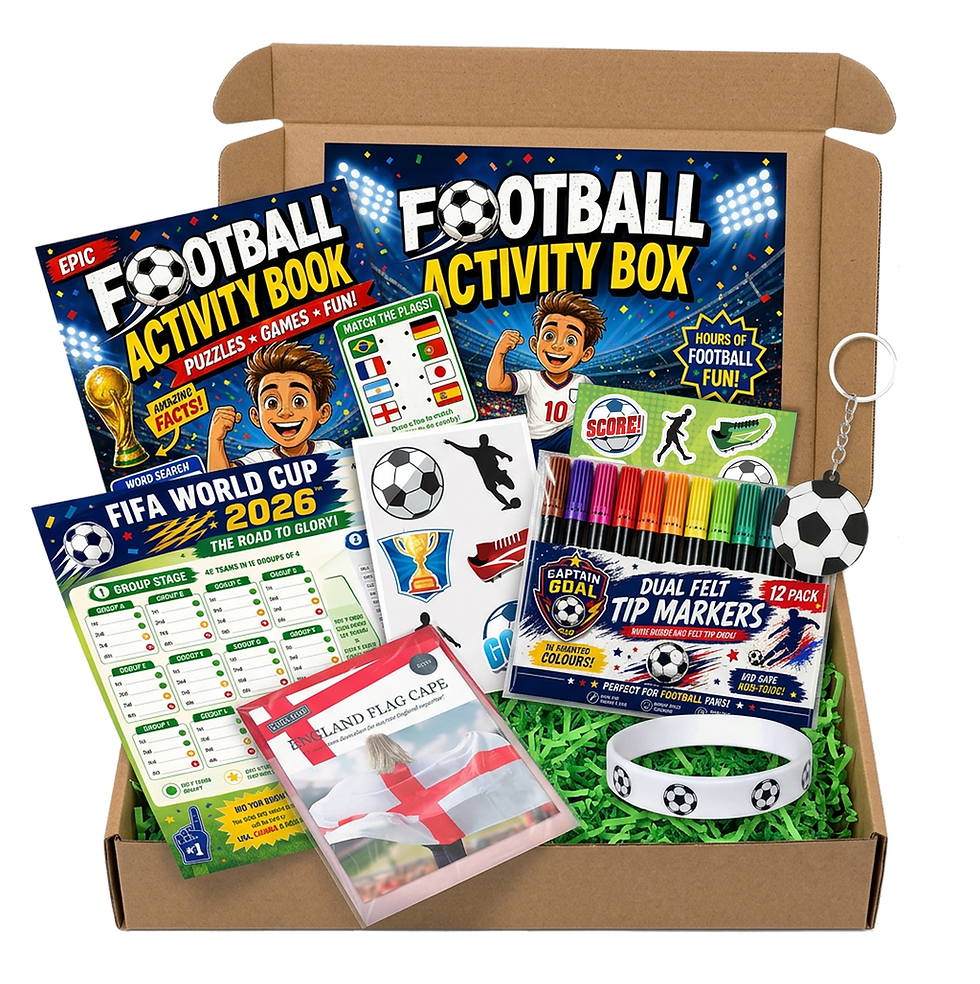
Understanding Wellbeing
Wellbeing encompasses various aspects of life, including emotional, physical, and social health. It is not merely the absence of illness but a holistic state of being that allows individuals to thrive. Here are some key components of wellbeing:
Emotional Health: The ability to manage emotions, cope with stress, and maintain a positive outlook.
Physical Health: Engaging in regular physical activity, maintaining a balanced diet, and getting adequate rest.
Social Connections: Building and nurturing relationships with family, friends, and the community.
Interactive activity packs can address all these components by providing engaging activities that promote emotional expression, physical movement, and social interaction.
The Benefits of Interactive Activity Packs
Interactive activity packs are designed to engage users in various activities that can enhance their wellbeing. Here are some benefits of using these packs:
Encouraging Physical Activity
Many activity packs include physical challenges or games that encourage movement. This can be particularly beneficial for individuals who may struggle to find motivation to exercise. For example, a pack might include:
Obstacle course challenges: Set up a mini obstacle course in your backyard or living room.
Dance routines: Include a guide to fun dance moves that can be done alone or with others.
Promoting Mental Engagement
Activities that stimulate the mind can improve cognitive function and emotional health. Interactive packs can include:
Puzzles and brain teasers: These can help improve problem-solving skills and provide a sense of accomplishment.
Creative projects: Art supplies for drawing, painting, or crafting can encourage self-expression and reduce stress.
Fostering Social Connections
Many interactive activity packs are designed for groups, making them perfect for family gatherings or community events. These packs can include:
Team-building games: Activities that require collaboration can strengthen relationships and improve communication.
Discussion prompts: Cards with questions or topics can spark meaningful conversations among participants.
Creating Your Own Interactive Activity Pack
Creating an interactive activity pack can be a fun and rewarding project. Here’s how to get started:
Step 1: Define Your Audience
Consider who will be using the activity pack. Is it for children, adults, or a mixed group? Understanding your audience will help you tailor the activities to their interests and abilities.
Step 2: Choose a Theme
Selecting a theme can help unify the activities in your pack. Some popular themes include:
Nature exploration: Activities that encourage outdoor exploration and appreciation of the environment.
Mindfulness and relaxation: Activities focused on stress relief and mental clarity, such as yoga or meditation exercises.
Creative expression: Projects that allow for artistic expression, such as painting or crafting.
Step 3: Select Activities
Choose a variety of activities that cater to different interests and abilities. Here are some ideas:
Physical Activities: Include games that require movement, such as scavenger hunts or relay races.
Mental Challenges: Add puzzles, trivia games, or creative writing prompts.
Social Activities: Incorporate group games or discussion cards to encourage interaction.
Step 4: Gather Materials
Collect all the necessary materials for the activities. This could include:
Craft supplies (paper, markers, glue)
Game pieces (dice, cards, tokens)
Instructions or guides for each activity
Step 5: Package It Up
Present your activity pack in an appealing way. Use a sturdy box or bag and label it clearly. Consider including a welcome note that explains the purpose of the pack and how to use it.
Examples of Successful Activity Packs
Several organisations and individuals have successfully created interactive activity packs that promote wellbeing. Here are a few examples:
1. The Mindfulness Activity Pack
This pack includes a variety of activities designed to promote mindfulness and relaxation. It features:
Guided meditation scripts
Breathing exercises
Journaling prompts to encourage reflection
2. The Family Fun Pack
Designed for families, this pack includes activities that can be enjoyed together. It features:
Board games that encourage teamwork
Outdoor challenges like nature scavenger hunts
Creative projects like family art nights
3. The Community Connection Pack
This pack is aimed at community groups and includes activities that foster social connections. It features:
Icebreaker games to help participants get to know each other
Group discussion topics to encourage meaningful conversations
Collaborative projects, such as community art installations
Tips for Maximising the Impact of Your Activity Pack
To ensure your interactive activity pack is effective in enhancing wellbeing, consider the following tips:
Make It Accessible
Ensure that the activities are suitable for all skill levels and abilities. Provide modifications or alternatives for those who may need them.
Encourage Reflection
Include prompts that encourage participants to reflect on their experiences. This can help deepen the impact of the activities and promote personal growth.
Foster a Supportive Environment
Create a welcoming atmosphere where participants feel comfortable engaging with the activities. Encourage open communication and support among group members.
Evaluate and Adapt
After using the activity pack, gather feedback from participants. Use this information to improve future versions of the pack and ensure it meets the needs of your audience.
Conclusion
Interactive activity packs are powerful tools for enhancing wellbeing. By combining physical, mental, and social activities, these packs can promote a holistic approach to health. Whether you create your own or use existing packs, the key is to engage participants in meaningful ways. Remember, the journey to wellbeing is ongoing, and interactive activity packs can be a fun and effective part of that journey. Start exploring the possibilities today and take the first step towards a healthier, happier life.


Comments